


The United Nations Children’s Fund (UNICEF), the Nigerian Guild of Editors (NGE) and the wife of the Lagos State Governor, Dr Claudiana Ibijoke Sanwo-Olu, have demanded a joint, concrete action plan to end rights violations and secure a brighter future for Nigerian children.
Making the call on Thursday in Lagos at a high-level symposium to commemorate World Children’s Day, the stakeholders pledged to collaborate with civil society groups to end barriers denying millions of children access to quality education, healthcare, nutrition, clean water and protection.
Convened by UNICEF in partnership with the NGE and the Diamond Awards for Media Excellence (DAME), the forum was themed “Every Child Alive, Thriving and Learning: A Shared Responsibility.”
Delivering her keynote address, Dr Sanwo-Olu urged parents, development partners, civil society organisations and the media to collaborate with governments at all levels to translate policy commitments into tangible results.
She stressed that securing the future of Nigerian children required prioritising immunisation, nutrition and social inclusion, while tackling the barriers keeping children out of school.
Highlighting the Lagos Boy Child Initiative, which her office established in 2021, she noted that boys deserved equal attention, mentorship and emotional support to realise their potential.
Sanwo-Olu also charged the media to amplify children’s voices, expose rights violations and promote positive stories about their achievements.
In his remarks, the NGE President, Mr Eze Anaba, expressed alarm over a UNICEF report indicating that 18.3 million Nigerian children were out of school.
Insisting that the crisis could not be left to the government alone, Anaba urged media leaders to move beyond annual rhetoric and hold themselves, policymakers and corporate leaders accountable. He called for a jointly signed action plan among all stakeholders to upgrade school infrastructure and provide quality teachers.
Earlier, the UNICEF Country Representative in Nigeria, Ms Wafa Saeed, warned that, while Nigeria had made some progress over the last two decades, the current pace was too slow.
She lamented that millions of children remained threatened by insecurity, displacement, malnutrition, child marriage and learning poverty.
Saeed urged the Federal Government to prioritise investment in children’s health, education and protection, describing it as critical to achieving Nigeria’s ambition of becoming a $1 trillion economy by 2030.
“Nigeria’s greatest asset is its people, whose future depends on the opportunities available to children today,” Saeed observed, adding that investment in children should be treated not merely as social expenditure but as economic infrastructure necessary for national development, peace and stability.
Citing Nigeria’s 0.36 score on the World Bank Human Capital Index, she noted that a child born in the country could currently achieve only 36 per cent of their potential productivity because of gaps in health and education.
She stressed that the figure reflected limited opportunities rather than a lack of ability, which deliberate investment could reverse.
“So, we must accelerate efforts as too many children are still being left behind,” Saeed said. “What encourages me is that we know what works: routine immunisation, quality education, nutrition, and protection.”
In her welcome address, UNICEF’s Chief of Communication, Advocacy and Partnership, Ms Lone Hvass, stated that every child deserved a strong start in life and urged stakeholders to actively involve children in decisions affecting them.
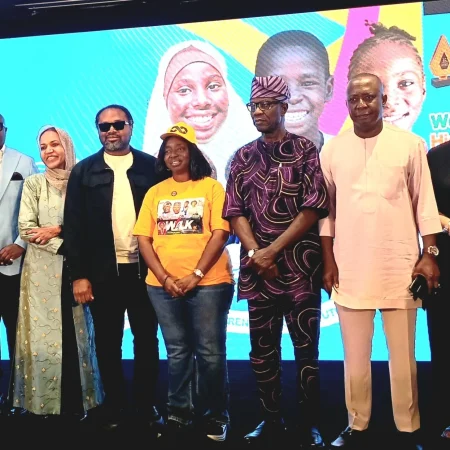
The event, which brought together government officials, academics, private sector leaders, the media and students, featured panel discussions, presentations by schoolchildren and a musical performance by UNICEF Goodwill Ambassador Cobhams Asuquo.
It concluded with a unified call for urgent investment, stronger political will and improved coordination to ensure that no Nigerian child is left behind.
WATCH TOP VIDEOS FROM NIGERIAN TRIBUNE TV

Other Articles
FG expands free caesarean services to over 270 hospitals nationwide
Ebonyi NDC candidate says APC defector was never his running mate


No Comment! Be the first one.