


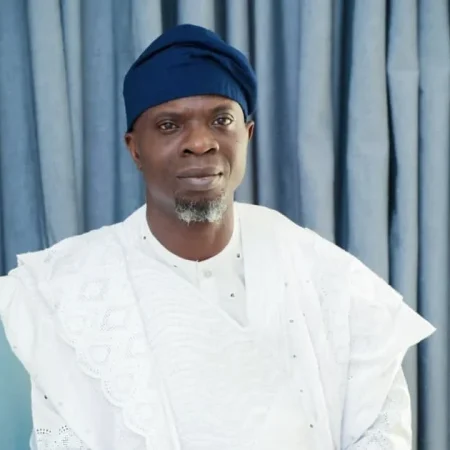
A Bauchi-based political analyst and commentator, Comrade Sabo Muhammad, has blamed the low turnout recorded during Saturday’s mock accreditation and election exercise by the Independent National Electoral Commission (INEC) in Bauchi State on inadequate public sensitisation and failure to engage key stakeholders.
Muhammad told LEADERSHIP that the poor participation was expected, arguing that the commission had not done enough to enlighten the public about the exercise ahead of the forthcoming 2027 general elections.
“We predicted this from the beginning. INEC failed to conduct adequate public enlightenment. A clear indication is that even key stakeholders in the electoral process were left in the dark,” he said.
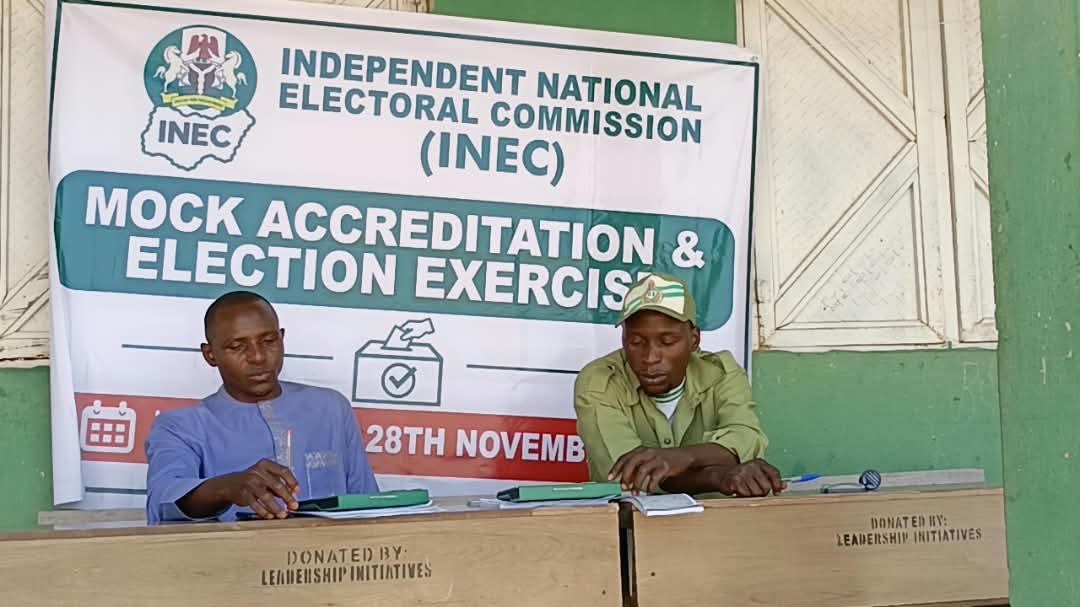
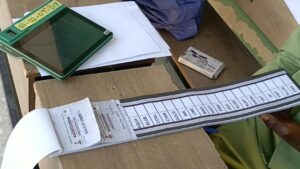
The mock exercise, conducted in selected polling units across Bauchi State’s 424 wards, was designed to test the functionality of the Bimodal Voter Accreditation System (BVAS) and assess its operational readiness ahead of the 2027 general elections.
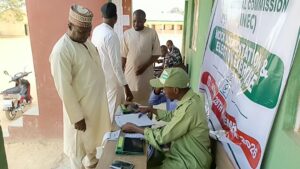
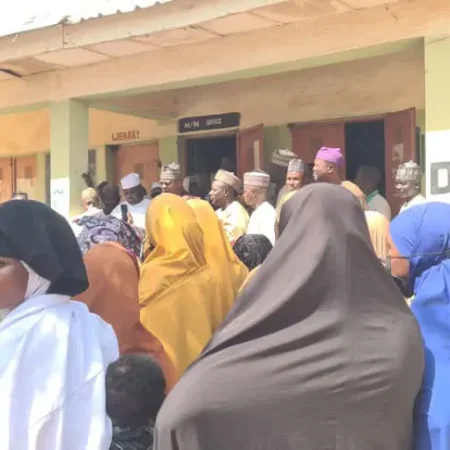
Our correspondent who monitored the exercise in Bauchi metropolis observed poor participation, with only a handful of voters turning out at several polling units visited.
The polling units included Kobi Primary School, Bakari Dukku Primary School, Kofar Dumi Primary School, Kofar Fada Primary School, Kandahar Primary School, Bakaro Primary School, Tirwun Primary School and Gwallaga Primary School.
At some of the locations, fewer than 20 people participated, while others recorded even lower numbers.
Despite the poor turnout, the BVAS machines functioned successfully at the polling units visited, with INEC officials reporting no technical challenges during the testing exercise.
Findings by our correspondent also revealed that many residents were unaware of the mock accreditation exercise, with some attributing the low participation to inadequate public sensitisation and lack of information.
Commenting further, Sabo Muhammad cited concerns surrounding alleged adjustments to the INEC Result Viewing Portal (IReV) and BVAS, reported errors in the national voter register and allegations involving 54 individuals suspected of using artificial intelligence (AI) to compromise the integrity of the register.
He argued that INEC had failed to adequately engage stakeholders and civil society organisations (CSOs) on the issues, a development he said had contributed to growing public distrust of the electoral commission.
The analyst warned that if the situation continued, it could undermine public confidence in the electoral process and raise questions about the credibility of the 2027 general elections.
He added that the situation could also affect the legitimacy of candidates eventually declared winners, as the outcome might not enjoy the confidence and acceptance of the electorate.
Sabo added that INEC Chairman, Prof. Joash Amupitan, must take steps to clear his name over allegations questioning his impartiality and intensify efforts to rebuild the image of the electoral umpire to restore public confidence and ensure that Nigerians trust the electoral process.


We’ve got the edge. Get real-time reports, breaking scoops, and exclusive angles delivered straight to your phone. Don’t settle for stale news. Join LEADERSHIP NEWS on WhatsApp for 24/7 updates →

Other Articles

Kano Opposition Candidates Threaten Lawsuit Over Billboard Denial
No Comment! Be the first one.